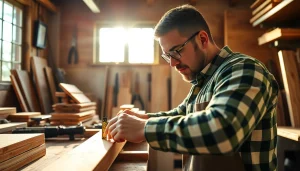
Master the Art of Carpentry: Techniques, Tips, and Tools for Every Carpenter
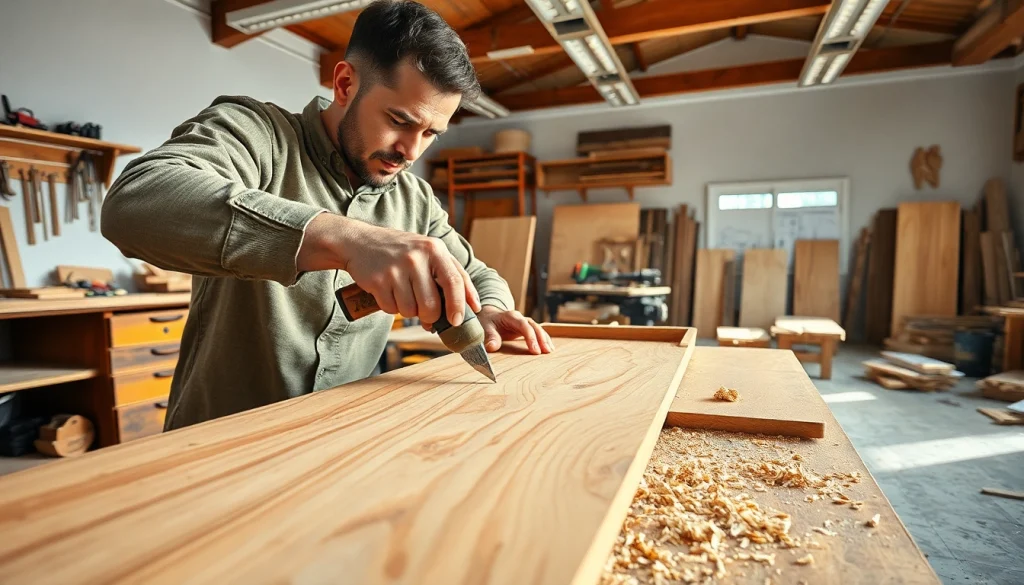
Understanding the Basics of Carpentry
Carpentry is a trade that skilled artisans and hobbyists alike use to create and build functional and aesthetic wooden structures. This craft entails not just the physical aspect of crafting, but also a fundamental understanding of the tools, materials, and techniques involved. The profession of a carpenter encompasses everything from building frameworks for houses to crafting intricate furniture pieces. Let’s delve into the foundational concepts that define carpentry and its integral components.
What is a carpenter?
A carpenter is a skilled tradesperson who specializes in working with wood to construct, install, and repair structures and fixtures. They play a crucial role in construction projects, as well as in home remodeling and repair tasks. Carpenters may work on a variety of projects, including framing, cabinetry, flooring, and even outdoor structures like decks and fences. Their expertise lies not only in creativity but also in precision and technical knowledge of building codes and best practices.
Essential tools every carpenter needs
Carpentry requires a diverse set of tools, each designed for specific tasks that enhance the quality of work while ensuring efficiency and safety. Essential tools include:
- Measuring tools: Tape measures, rulers, and squares are key for accurate measurements.
- Cutting tools: Saws (circular, miter, jigsaw) empower carpenters to cut wood with precision.
- Joining tools: Hammers, drills, and nail guns are vital for connecting pieces together.
- Finishing tools: Sanders, wood files, and brushes help achieve a polished look on surfaces.
- Safety gear: Gloves, goggles, and ear protection are necessary to ensure the safety of the carpenter.
Basics of woodworking materials
Understanding the various types of wood and materials is essential for any carpenter. Common materials include:
- Softwoods: Pine, cedar, and fir are popular for their workability and cost-effectiveness.
- Hardwoods: Oak, maple, and cherry are favored for their durability and aesthetic appeal, often used in furniture.
- Plywood: This engineered wood offers strength and stability for various applications.
- Composite materials: Options like MDF and particleboard can be used for specific projects, particularly in lower-cost furniture.
Key Carpentry Techniques
Measuring and marking accurately
Precision is paramount in carpentry, where a small miscalculation can lead to significant errors in building. Techniques for measuring accurately involve using tools like lasering devices, tape measures, and marking gauges. Carpenters often employ the “measure twice, cut once” rule to prevent wastage and ensure that materials fit perfectly.
Cutting techniques for various materials
Different materials require different cutting techniques to achieve the best results. For instance, when cutting hardwoods, slow and steady movements prevent splintering. When using power tools like a miter saw, it’s crucial to keep the material secured and aligned to achieve clean cuts. Additionally, knowing blade specifications can help in selecting the right tool for different wood densities.
Joining methods used by carpenters
Joining wood pieces together is a fundamental skill in carpentry. Common methods include:
- Nailing: One of the simplest and quickest methods, suitable for many wood joints.
- Screwing: Offers stronger joints and is often used in furniture assembly.
- Wood glue: Allows for seamless joints, especially in cabinetry.
- Dowel joints: Dowels provide alignment and strength for two or more pieces.
- Mortise and tenon: This technique provides a strong and traditional joint useful in fine woodworking.
Advanced Carpentry Skills
Custom furniture design concepts
Taking carpentry to the next level, custom furniture design involves creativity and advanced skills. Carpenters interested in furniture making must understand design principles and ergonomic needs while balancing aesthetics and functionality. Utilizing CAD software can assist in creating precise designs before beginning the physical work, allowing carpenters to visualize the final product.
Finishing techniques for professional results
The finishing process can significantly enhance the attractiveness and durability of wooden items. Techniques include:
- Staining: Enhances the natural beauty of wood while providing color.
- Sealing: Protects surfaces from moisture and wear, especially in outdoor projects.
- Varnishing: Provides a hard shell that resists scratches and weathering.
- Painting: Offers an aesthetic choice for those looking to change the wood’s appearance.
Restoration techniques for vintage woodwork
Restoring vintage wood pieces is a delicate process that requires knowledge of antique woods and finishes. Techniques often include:
- Cleaning: Using proper wood cleaners without damaging the original finish is crucial.
- Re-gluing joints: Applying wood glue carefully to retain the piece’s integrity.
- Replacing damaged parts: Sourcing matching materials and techniques to keep the restoration authentic.
- Refinishing: Stripping and refinishing to restore the original look while ensuring durability.
Common Challenges Faced by Carpenters
Dealing with warped wood
Warped wood can pose significant obstacles in carpentry projects. Solutions to this issue include acclimating the wood properly before use, utilizing weights or clamps to straighten the wood during assembly, and choosing the right wood for the project in the first place. Understanding the wood storage conditions can also help avoid warping before usage.
Preventing splintering during cuts
Splintering can ruin the finish of a wood piece. To minimize splintering, carpenters can utilize fine-tooth blades, mask the cut line with painter’s tape, and support the wood with scrap material. These practices help protect the edges and maintain the integrity of the wood.
Noise management in small workshops
Noise is an inevitable byproduct of carpentry, especially in small workspaces. To manage this, carpenters can employ soundproofing techniques such as wall insulation, workshop layout adjustments, and using quieter tools. Additionally, planning work hours during which noise will be least disruptive can enhance workshop enjoyment and productivity.
FAQs About Carpentry
What qualifications do I need to become a carpenter?
While not always required, completing an apprenticeship and having a high school diploma can be beneficial in securing a position in carpentry.
How can I improve my carpentry skills?
To enhance carpentry skills, practice regularly, take courses, and learn from experienced carpenters who can provide mentorship and tips.
Which wood is best for furniture making?
Hardwoods like oak and cherry are highly favored for furniture making due to their strength, durability, and rich grain patterns.
What safety equipment should a carpenter use?
Essential safety gear for carpenters includes safety goggles, gloves, and hearing protection to mitigate risks while working with tools and materials.
How do I maintain my carpentry tools?
Regularly cleaning tools, sharpening blades, and ensuring proper storage practices can significantly extend the lifespan and effectiveness of carpentry tools.