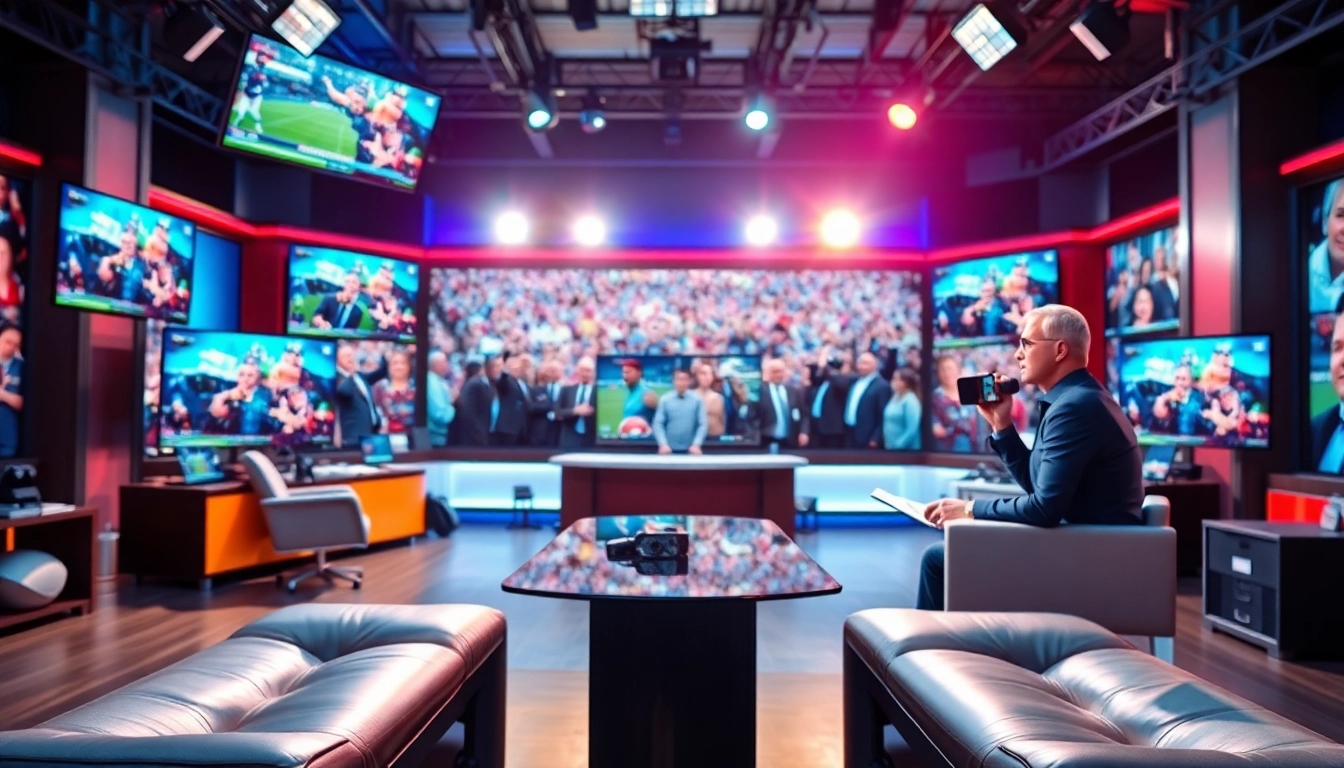
Understanding the Landscape of Sports Broadcasting
Defining Sports Broadcasting
Sports Broadcasting is the dissemination of live and recorded sports events through various media, including television, radio, and online platforms. It serves to engage sports fans by providing access to games, news, commentary, and analysis, thereby forming a crucial part of the sports industry ecosystem. The realm of Sports Broadcasting is not limited to just the airing of games; it encompasses a wide range of programs that enhance viewer engagement, such as pre-game shows, post-game discussions, and analysis segments. As technology advances, the modalities of Sports Broadcasting continue to evolve, presenting new opportunities and challenges for broadcasters and audiences alike. For an in-depth exploration of this dynamic field, I encourage you to visit Sports Broadcasting.
History and Evolution
The history of Sports Broadcasting can be traced back to the early 20th century when radio emerged as a major communication medium. In the 1920s, live sports events began to be broadcasted over the airwaves, dramatically changing how fans consumed sports. The first significant event broadcast was the 1921 boxing match between Jack Dempsey and Georges Carpentier.
The television revolution of the 1950s brought another significant shift, with sports rapidly becoming a staple on TV. Landmark moments, like the first live telecast of the Rose Bowl in 1952, showcased the potential of television to bring audiences closer to the action. As color television became mainstream, broadcasts became more captivating, further driving the popularity of sports on screen.
With the advent of cable television in the 1980s, sports broadcasting saw explosive growth as dedicated sports channels emerged, offering round-the-clock coverage and diverse programming. The 21st century brought the rise of the internet, revolutionizing the sector with streaming services and on-demand viewing. This shift not only expanded the audience base but also offered new revenue models through subscriptions and advertising, fundamentally reshaping how sports are consumed globally.
Current Trends in Sports Broadcasting
Today, the landscape of Sports Broadcasting is characterized by several key trends that are shaping its future:
- Streaming Dominance: Platforms like Netflix, Amazon Prime, and dedicated sports services are increasingly hosting live sports events.
- Multimedia Integration: Broadcasters are utilizing multiple channels—for example, social media, mobile apps, and dedicated websites—to reach audiences wherever they are.
- Personalization: With advances in data analytics, viewers can enjoy personalized content, enhancing their engagement with sports.
- Interactive Experiences: Technologies like augmented reality (AR) and virtual reality (VR) are being integrated into broadcasts, offering immersive experiences.
Key Technologies Shaping Sports Broadcasting
The Role of Streaming Services
Streaming services have revolutionized Sports Broadcasting by offering fans greater accessibility to live events. Unlike traditional broadcasting, where viewers are constrained by geographic region and channel availability, streaming platforms have the potential to reach global audiences. With services such as Sling TV, Hulu Live, and dedicated sports networks like ESPN+, fans can subscribe to comprehensive packages featuring a wide array of sports.
Moreover, streaming allows for flexibility in viewing—users can watch games on various devices, such as smartphones, tablets, or smart TVs, which aligns perfectly with modern viewing habits. In addition, these platforms typically offer viewing on-demand, meaning fans can catch up on past games and highlights whenever they choose.
Innovations in Viewing Experience
Technological advancements continue to elevate the viewer experience in Sports Broadcasting. High-definition (HD) and 4K Ultra HD broadcasts present crystal-clear visuals, enhancing the excitement of live events. Furthermore, 360-degree cameras and drone technology provide unique perspectives, immersing fans in the action as if they were right in the stadium.
Additionally, the integration of augmented reality (AR) overlays during broadcasts adds layers of interaction, such as real-time stats and player profiles. This innovative use of technology not only engages audiences but also enriches the overall viewing experience.
Impact of Social Media on Sports Broadcasting
Social media platforms play a pivotal role in the Sports Broadcasting landscape, transforming how fans interact with their favorite sports and teams. Quick updates, highlights, and behind-the-scenes content shared on platforms like Twitter, Instagram, and TikTok create a sense of immediacy and connection for fans.
Moreover, sports organizations and broadcasters often leverage social media for live commentary and discussions during games, enabling real-time interaction among fans. This engagement fosters community and loyalty, encouraging more fans to tune in and participate in conversations surrounding their favorite teams.
Challenges Facing the Sports Broadcasting Industry
Regulatory and Licensing Issues
The Sports Broadcasting industry grapples with various regulatory and licensing challenges that can impede growth. Broadcasting rights negotiations can be intricate, influenced by geographical regulations and exclusive deals. Rights holders, such as leagues and networks, often engage in competitive bidding for broadcasting rights, which can inflate costs. Furthermore, regulatory compliance—such as adherence to advertising standards and consumer protection laws—adds additional layers of complexity for broadcasters.
Competition in Content Delivery
The proliferation of platforms and delivery methods in the Sports Broadcasting space has intensified competition. Traditional broadcasters face mounting pressure from streaming services that offer flexible viewing options and lower prices. Fans are increasingly drawn to customized experiences offered by these platforms, making it essential for traditional broadcasters to adapt their strategies to stay relevant.
To combat competition, many broadcasters are investing in unique content and exclusive partnerships to differentiate their offerings and enhance viewer loyalty.
Adaptation to Changing Audience Preferences
As viewing habits evolve, sports broadcasters must adapt to cater to new audience preferences, particularly among younger viewers who favor digital content over traditional broadcasts. This demographic is less tethered to cable subscriptions, opting instead for streaming solutions that align with their consumption patterns—favoring authenticity and community interaction over conventional sports narratives.
Broadcasters aiming to capture this market should prioritize interactive content, provide relatable commentary, and cultivate connections with viewers through social media. Listening to audience feedback and integrating their preferences will be fundamental to driving engagement in the coming years.
Maximizing Engagement in Sports Broadcasting
Strategies for Audience Interaction
Maximizing audience engagement in Sports Broadcasting requires innovative strategies that foster interaction. Broadcasters can utilize live polls and Q&A sessions during broadcasts to keep viewers involved. Incorporating viewer comments into the broadcast can enhance the sense of community among fans.
Furthermore, integrating gamification elements—such as fantasy sports leagues—into programming encourages viewers to partake actively rather than passively consume content. This participatory approach can significantly increase viewer loyalty and interest.
Content Personalization Techniques
Content personalization has emerged as a powerful tool in Sports Broadcasting. Utilizing data analytics allows broadcasters to tailor content to specific audience segments. Personalized recommendations for games, highlights, and news can be delivered through apps, enhancing the viewer experience.
Additionally, followers may appreciate notifications based on their favorite teams or events, creating a more tailored viewing experience that keeps fans engaged and returning for more.
Utilizing Analytics for Performance Measurement
Data analytics plays a crucial role in understanding viewer behavior and measuring broadcast performance. By tracking audience engagement metrics—like view counts, retention rates, and interaction levels—broadcasters can gain insights into what content resonates most with viewers.
This data can be utilized to inform content strategy, optimize marketing efforts, and refine broadcasting approaches, ultimately leading to improved engagement and increased viewership over time.
Future Outlook and Predictions for Sports Broadcasting
The Rise of Virtual and Augmented Reality
The future of Sports Broadcasting is likely to witness an increased integration of virtual reality (VR) and augmented reality (AR) technologies. These innovations promise to deliver immersive experiences, transporting viewers into the heart of the action. For instance, VR could allow fans to "attend" a game virtually, providing a new level of engagement from the comfort of their homes.
Such technologies also open opportunities for interactive advertising and sponsorships, allowing brands to create unique experiences that resonate with audiences and drive monetization efforts.
Potential Market Changes
The Sports Broadcasting market may experience significant shifts in response to evolving consumer behaviors and technological advancements. As younger audiences increasingly favor digital platforms, traditional broadcasters might reallocate resources toward optimizing their online presence.
Moreover, emerging markets in regions with growing sports enthusiasm—such as Asia and Africa—could present new opportunities for broadcasters willing to tailor content and distribution strategies for those audiences.
Preparing for the Next Generation of Viewers
To ensure long-term success, Sports Broadcasting must adapt to meet the needs of the next generation of viewers. This involves understanding demographic shifts and cultural trends, such as emphasizing social justice and diversity within sports narratives. Furthermore, broadcasters should remain flexible in their strategies, continuously evolving to keep pace with changing consumer preferences and behavioral patterns.
Investing in technology and interactive content will be key to creating loyalty among younger audiences, who seek authentic storytelling and meaningful engagement with their favorite sports and teams.
FAQs
What is Sports Broadcasting?
Sports Broadcasting involves the dissemination of sports events through television, radio, or online platforms for audience enjoyment.
How has technology changed Sports Broadcasting?
Technology has improved viewing experiences via streaming, enhances interactivity through social media, and enables data analytics.
What are the main challenges in Sports Broadcasting?
Key challenges include licensing regulations, content competition, and adapting to changing viewer habits and preferences.
How can engagement be maximized in Sports Broadcasting?
Engaging audiences can be achieved through interactive content, personalized experiences, and leveraging analytic insights for better delivery.
What does the future hold for Sports Broadcasting?
The future may see an increased incorporation of virtual reality, more personalized content, and continued adaptation for younger audiences.