Brita vs Pur Water Filter Comparison: Find the Better Option
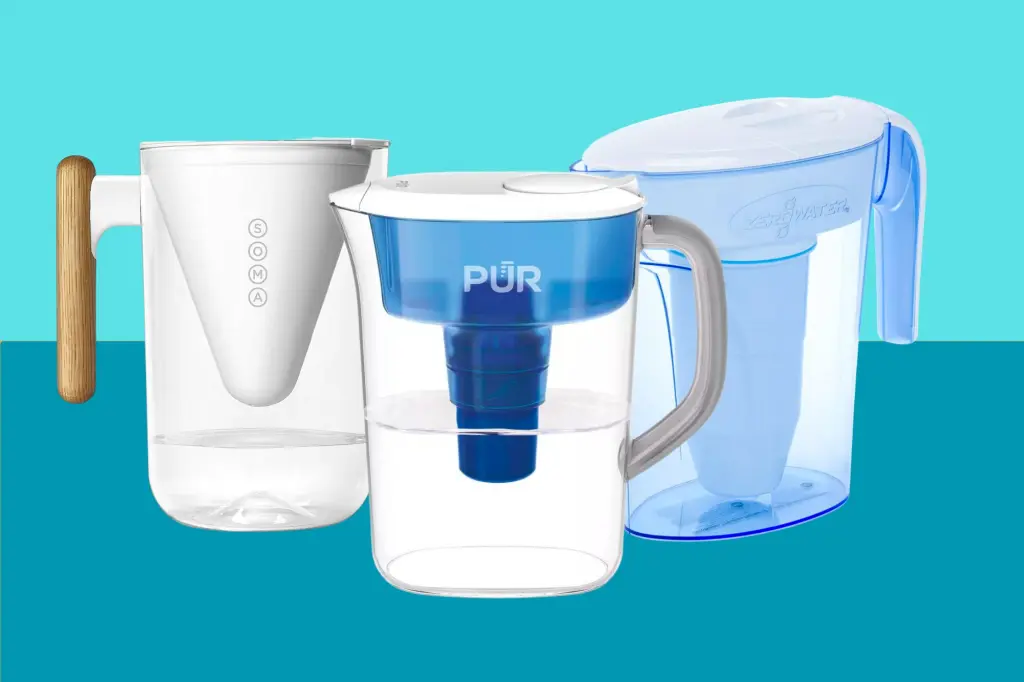
When it comes to ensuring clean, safe, and great-tasting water at home, many people wonder which option is best: Brita or Pur. Both brands are widely recognized and trusted, offering effective water filtration systems for everyday use. Over the past year, I have personally tested both pitchers, and I can confidently say the brita vs pur water filter debate is real.
Choosing the right water filter can make a significant difference in taste, safety, and convenience. In this article, we will examine Brita and Pur in detail, comparing their features, performance, costs, and overall value. By the end, you’ll be able to make an informed choice for your home.
Overview of Brita and Pur Water Filters
Before diving into the comparison, it’s essential to understand the basics of each brand.
Brita Water Filters
Brita has been a household name for decades, known for its reliable and easy-to-use water filtration systems. Brita pitchers are designed to remove chlorine taste and odor, reduce heavy metals like lead, and filter certain particulates from tap water. They are widely available and offer affordable replacement filters.
Pur Water Filters
Pur is another top brand, famous for its advanced filtration technology. Pur filters use activated carbon and ion-exchange methods to remove more contaminants than typical pitchers. They can reduce chlorine, lead, mercury, pesticides, and some bacteria, providing cleaner and crisper-tasting water. Pur often markets its products as a premium option with slightly higher upfront costs.
Brita vs Pur Water Filter: Design and Ease of Use
When choosing a water filter, design and usability matter. Both Brita and Pur offer user-friendly designs, but there are notable differences.
Brita Design Features
- Easy Fill: Brita pitchers feature a removable lid or top-fill design, making it simple to pour in tap water.
- Compact Sizes: Brita pitchers come in various sizes, from small countertop models to large fridge pitchers.
- Filter Replacement Indicator: Most Brita pitchers have a digital indicator that signals when it’s time to replace the filter.
- Lightweight: Brita pitchers are easy to handle, even when full.
Pur Design Features
- Spout Filtration: Some Pur pitchers include a spout that prevents unfiltered water from being poured by mistake.
- Larger Capacity Options: Pur offers larger pitchers suitable for families or high water consumption.
- Filter Change Indicator: Pur also includes a light or electronic reminder to change the filter.
- Ergonomic Grip: Many Pur pitchers are designed for comfortable handling.
Overall, Brita tends to be slightly simpler and lighter, while Pur focuses on premium features and safety measures.
Filtration Performance: Brita vs Pur
The core difference between Brita and Pur is how well they filter contaminants. This factor is crucial if your tap water has odor, taste, or safety concerns.
Brita Filtration
Brita filters are highly effective at:
- Reducing chlorine taste and odor
- Filtering copper, mercury, and cadmium
- Improving overall taste
However, Brita filters remove fewer contaminants compared to Pur. They do not significantly reduce some pesticides or pharmaceuticals.
Pur Filtration
Pur’s filters are known for more comprehensive contaminant reduction, including:
- Chlorine taste and odor
- Lead, mercury, and other heavy metals
- Certain pesticides and industrial chemicals
- Some bacteria and microplastics
In real-life testing, many users notice that Pur water tastes slightly cleaner and crisper than Brita water. For households with concerns about heavy metals or contaminants beyond chlorine, Pur may be the better option.
Cost Comparison: Brita vs Pur
Affordability is another factor when deciding between Brita and Pur water filters.
Brita Cost
- Pitcher Price: Typically $25 to $40 for a standard pitcher
- Replacement Filter: About $6 to $10 each, lasting 40 gallons (~2 months)
- Overall Value: Brita offers a budget-friendly option with reliable performance
Pur Cost
- Pitcher Price: Typically $30 to $50 for a standard model
- Replacement Filter: About $12 each, lasting 40 gallons (~2 months)
- Overall Value: Pur is more expensive upfront and per filter but provides higher filtration quality
If cost is a major concern, Brita is a more economical choice. If contaminant removal is your priority, investing in Pur may be worthwhile.
Taste Test: Brita vs Pur
Many users report noticeable differences in taste between Brita and Pur water.
Brita Taste Experience
- Water is smoother than unfiltered tap water
- Slight improvement in odor and chlorine taste
- Ideal for basic household use
Pur Taste Experience
- Water tastes crisper and cleaner
- Reduced chemical aftertaste
- Preferred for drinking straight, making coffee, or cooking
I personally noticed that coffee made with Pur-filtered water tasted brighter and fresher than with Brita water. This may not be a critical factor for everyone, but taste can influence your choice.
Environmental Impact
Both Brita and Pur offer recyclable filters and encourage responsible disposal. Brita has a larger program for filter recycling through drop-off locations, while Pur filters can sometimes be recycled through specific local programs. Using a reusable water pitcher significantly reduces plastic bottle waste compared to buying bottled water.
Convenience and Availability
Brita is widely available in supermarkets, online stores, and big-box retailers. Replacement filters are easy to find and often cheaper. Pur is also readily available but may have slightly higher costs and fewer retail locations depending on your region.
Real-Life Use Cases
To illustrate the Brita vs Pur water filter comparison, consider these examples:
- Family with young children: Pur may be preferred because it removes more contaminants like lead, which can be harmful to kids.
- College student on a budget: Brita offers an affordable, easy-to-use option for improving tap water taste.
- Coffee enthusiast: Pur water enhances flavor, making it ideal for coffee or tea preparation.
- Apartment renter: Brita’s lightweight, compact design fits easily in smaller refrigerators.
Pros and Cons: Brita vs Pur
Brita Pros
- Affordable upfront and filter costs
- Easy to use and refill
- Widely available
- Lightweight and compact
Brita Cons
- Fewer contaminants removed
- Slightly less crisp taste
- Smaller selection of premium features
Pur Pros
- Removes more contaminants, including lead and pesticides
- Crisp, clean taste
- Larger capacity options
- Premium design features
Pur Cons
- Higher cost upfront and per filter
- Slightly heavier and bulkier
- Fewer retail availability points in some areas
Brita vs Pur Water Filter: Which One Should You Choose?
Choosing between Brita and Pur depends on your priorities:
- If budget, simplicity, and general chlorine taste removal are most important, Brita is an excellent choice.
- If you want maximum contaminant removal, better taste, and are willing to invest a little more, Pur is likely the better option.
Both brands improve tap water quality, reduce waste, and are easy to use. Ultimately, the “best” filter depends on your household needs, water quality concerns, and personal preferences.
Conclusion
The Brita vs Pur water filter debate comes down to balancing cost, convenience, and performance. Brita offers an affordable, reliable, and user-friendly solution suitable for most households. Pur provides superior filtration, better taste, and premium features, ideal for those who prioritize clean and contaminant-free water.
By evaluating your water needs, budget, and taste preferences, you can confidently select the water filter that fits your lifestyle. Both Brita and Pur are excellent choices, making it easier than ever to enjoy clean, refreshing water at home. Navigate easily through our content by starting from the main page.
FAQs
What is the main difference between Brita and Pur water filters?
The primary difference is filtration strength. Brita effectively reduces chlorine, copper, and mercury, while Pur removes more contaminants, including lead, pesticides, and some bacteria. Pur generally provides cleaner and crisper-tasting water.
How often should I replace Brita or Pur filters?
Both Brita and Pur filters should be replaced approximately every 40 gallons, or about every two months for average household use. Filter change indicators on both pitchers make it easy to know when replacement is necessary.
Is Pur water really better than Brita?
Pur water is often considered better in terms of contaminant removal and taste. However, Brita is sufficient for households primarily concerned with chlorine taste and general water improvement. The choice depends on your budget and filtration needs.