The Essence of Luxury Fashion
Defining Characteristics of Luxury Brands
Luxury fashion transcends mere aesthetics to encapsulate an experience that resonates with emotions and aspirations. The defining characteristics of luxury brands include exclusivity, superior craftsmanship, heritage, and a strong brand narrative. Luxury brands often utilize the finest materials and artisans to create products that are not only functional but also serve as status symbols. This representation of opulence often leads to a profound connection with the consumer, fostering loyalty that is hard to break. Taking pride in their rich history, many luxury fashion houses showcase their heritage through branding and storytelling, making each product feel like a piece of art rather than a mere garment.
Historical Evolution of Luxury Fashion
The roots of luxury fashion trace back centuries, with evidence of artisanal craftsmanship in ancient civilizations. However, it was during the Renaissance period that the luxury fashion industry began to take shape, driven by a growing middle class and the rise of fashion as a societal status marker. Fast forward to the 19th century; the Industrial Revolution redefined production methods, making luxury items more accessible yet paradoxically heightening their allure due to limited editions and innovative marketing strategies. As high fashion evolved through the decades, the exclusivity of luxury brands also shifted, with newer technologies and social media playing pivotal roles in the democratization of luxury.
The Impact of Fashion on Culture
Fashion serves as a cultural mirror, reflecting societal values, ideals, and aspirations. Luxury fashion particularly influences cultural narratives by setting trends that impact not only individual identity but also broader societal norms. An example of this is the impact of luxury brands on the concepts of beauty and elegance, often dictating what is considered desirable. Fashion can also serve as a form of activism, as seen with brands embracing social and political causes, thus reshaping cultural dialogues. The connection between luxury and culture is deep-rooted, fueling consumer desires while simultaneously advancing artistic expression.
Understanding the Luxury Market
Main Players in Luxury Fashion
In the luxury fashion market, key players range from established fashion houses to emerging designers gaining traction. Established brands often dominate the space, leveraging their heritage and reputation to maintain market position. New entrants challenge this status quo, appealing to a younger demographic through innovative designs and sustainable practices. Furthermore, the proliferation of e-commerce has transformed market dynamics, compelling luxury brands to adapt their strategies to harness the online retail space effectively. Understanding the competitive landscape is crucial for aspiring luxury fashion labels and established brands alike.
Market Trends and Insights
The luxury fashion market is ever-evolving, shaped by trends that respond to consumer needs and technological advancements. Current trends highlight an increase in personalization and customization, reflecting consumers‘ desire for unique, tailored products. Sustainability has also become a pivotal factor, as more consumers demand ethical and environmentally responsible practices from their favorite brands. Digital transformation in retail strategies, particularly through the integration of augmented reality and artificial intelligence, is expected to enhance the shopping experience, making it more interactive and engaging.
Consumer Behavior in Luxury Shopping
Understanding consumer behavior in luxury shopping is fundamental to developing effective marketing strategies. Today’s luxury consumers prioritize experiences over possessions, often seeking emotional connections with brands. They are informed, tech-savvy, and active on social media, which influences their purchasing decisions. Luxury shoppers are increasingly leaning toward brands that reflect their values and principles, notably in sustainability and social responsibility. Therefore, integrating a customer-centric approach in luxury retail not only fosters loyalty but also drives long-term success.
Building a Luxury Fashion Brand
Crafting a Unique Brand Identity
Crafting a distinctive brand identity is paramount in the luxury fashion sector. This involves meticulous attention to brand story, visual aesthetics, and customer experience. The essence of a luxury brand often lies in its uniqueness, rooted in its history, design philosophy, and consumer perception. Luxury brands must communicate their narrative consistently across all platforms—be it through product design, marketing campaigns, or in-store experiences. A well-defined brand identity builds an emotional bridge with consumers, enhancing loyalty and increasing brand value.
Marketing Strategies for Success
Effective marketing strategies for luxury fashion brands hinge on exclusivity, storytelling, and experiential marketing. Crafting compelling narratives that speak to the brand’s heritage can entice consumers, while limited-edition releases create a sense of urgency. Utilizing social media influencers to reach target demographics has also proven effective, especially among millennials and Gen Z consumers. Notably, digital marketing strategies must be balanced with traditional advertising methods, as luxury consumers still engage with high-quality print publications and curated events.
Collaborations and Influencer Partnerships
Collaborations in luxury fashion serve as powerful tools for brand enhancement and market expansion. Partnering with high-profile influencers or creative talents can amplify a brand’s reach, drawing in new consumers while engaging existing loyalists. These collaborations must align with the brand’s values to avoid dilution of its identity. The strategic execution of partnerships can allow luxury brands to tap into new audience segments, stimulating growth while maintaining their esteemed reputation.
The Role of Sustainability in Luxury Fashion
Ethical Practices and Consumer Expectations
Sustainability plays a crucial role in luxury fashion as consumers increasingly demand transparency and ethical practices. Today’s luxury shoppers are not only concerned with product quality but also sustainability credentials of the brands they patronize. Ethical production processes, fair labor practices, and charitable initiatives have become non-negotiable for many luxury brands. Moreover, integrating sustainability into the brand ethos can strengthen consumer trust and foster long-term loyalty, aligning with the expectations of a conscientious audience.
Sustainable Materials and Innovations
As environmental concerns rise, luxury brands are exploring sustainable materials and innovative practices that reduce their ecological footprint. Options such as organic cotton, recycled materials, and innovative alternatives to leather are increasingly popular. Furthermore, technology enables more efficient production processes, from 3D printing to digital fabric printing, which minimizes waste and enhances design efficiency. The incorporation of sustainability in product development not only attracts eco-conscious consumers but also positions a brand favorably in the crowded luxury market.
The Future of Responsible Luxury
The future of luxury fashion lies in responsible practices that cater to ethical consumerism. Brands are expected to lead by example, adopting sustainable practices not only in production but also in supply chain management and post-consumer waste strategies. The growing awareness of environmental issues will likely push luxury brands toward more circular economies, promoting the reuse and recycling of products. Responsibly marketed luxury goods will define tomorrow’s fashion landscape, engaging consumers who value both quality and ethical integrity.
Shopping Experience at Luxurious Retail Spaces
Creating an Immersive Shopping Atmosphere
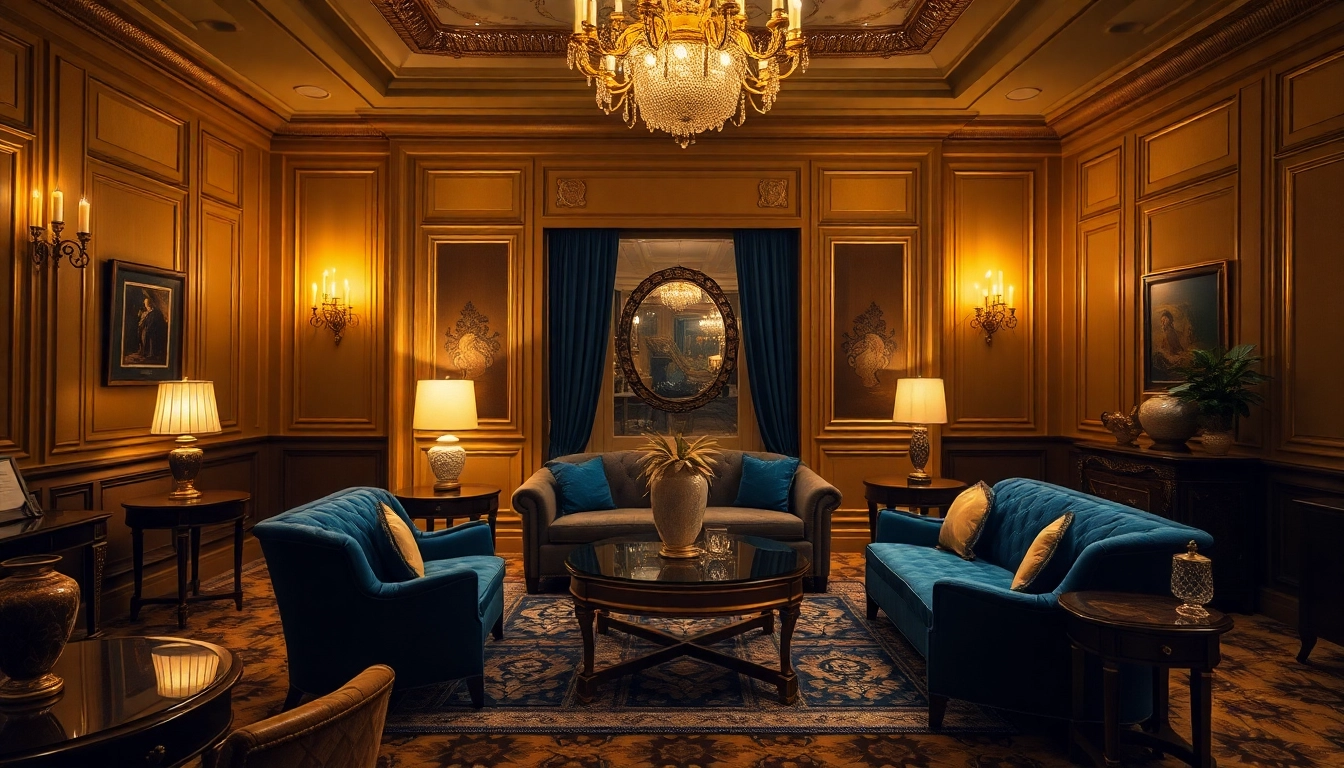
Creating an immersive shopping atmosphere is essential for luxury retailers looking to differentiate themselves in a competitive market. This entails a multi-sensory approach where decor, ambiance, and product presentation are harmoniously integrated. Luxury brands should focus on creating unique environments that evoke exclusivity and comfort, encouraging customers to spend more time in the store. Elements such as curated art, exclusive events, and personalized shopping experiences further enhance this immersive approach, making it memorable for consumers.
Personalized Customer Service in Luxury Stores
Personalized customer service is a hallmark of the luxury shopping experience. Retail associates should be trained to offer bespoke services that cater to individual needs, preferences, and purchase histories. This level of service fosters trust and rapport, making customers feel valued and understood. Technology can assist in enhancing personalization, using data analytics to better anticipate consumer needs and provide tailored recommendations. Ultimately, elevating customer service from mere transaction to a relationship can significantly impact brand loyalty.
The Importance of Visual Merchandising
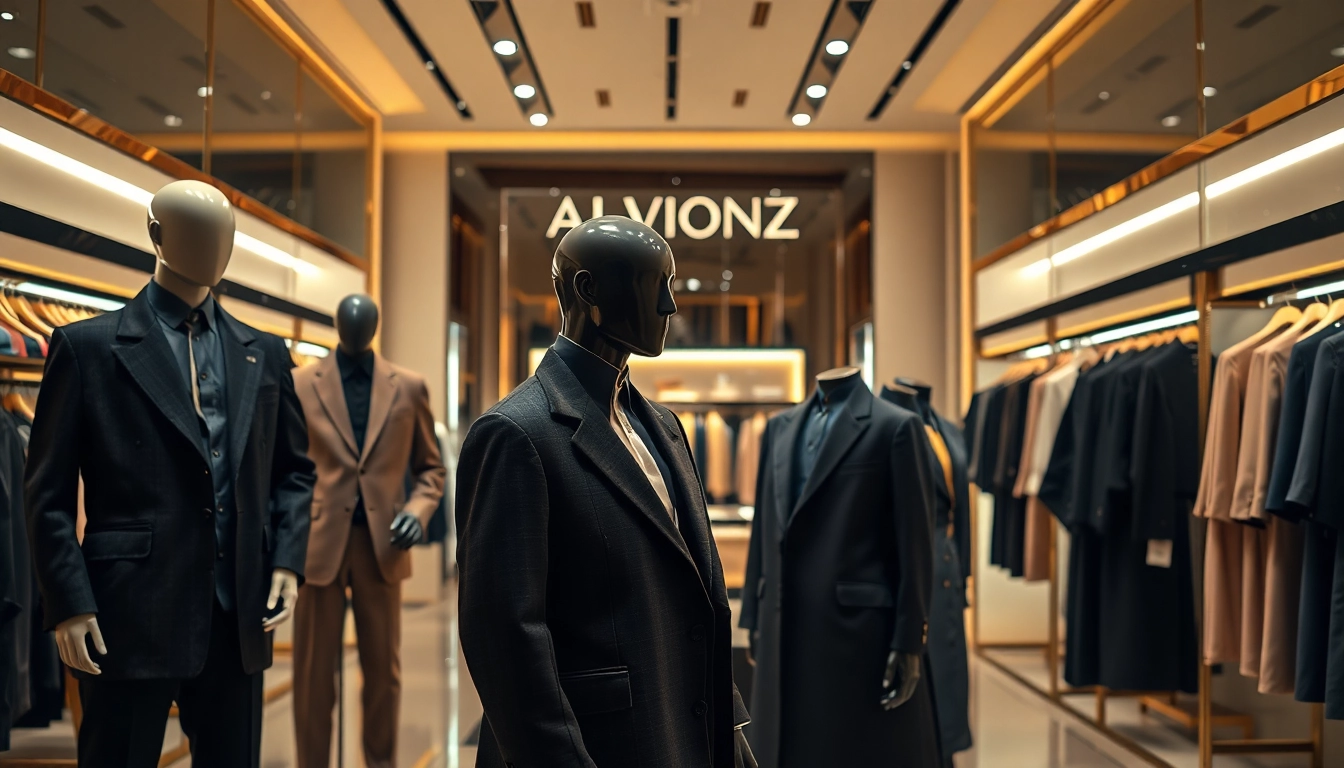
Visual merchandising plays a pivotal role in the luxury retail experience, evoking emotions and guiding consumer behavior. High-quality displays that reflect the brand’s identity and aesthetic can captivate customers and inspire purchase decisions. The arrangement of products, use of lighting, and incorporation of storytelling elements all contribute to the overall shopping experience. In an age where retail space is finite, effective visual merchandising can create a strong competitive advantage for luxury brands, encouraging foot traffic and boosting sales.
FAQs
What defines a luxury fashion brand?
A luxury fashion brand is characterized by high-quality materials, craftsmanship, exclusivity, and a compelling brand narrative that resonates with consumers.
How has sustainability influenced luxury fashion?
Sustainability has prompted luxury brands to adopt ethical practices, explore sustainable materials, and innovate production processes in response to consumer demand for responsible fashion.
What is the role of collaborations in luxury fashion?
Collaborations allow luxury brands to expand their reach and tap into new audiences while maintaining brand prestige through carefully chosen partnerships.
How can personalization enhance the luxury shopping experience?
By tailoring services to meet individual consumer preferences, personalization in luxury shopping strengthens customer loyalty and enhances the overall experience.
What trends are shaping the future of luxury fashion?
Current trends include a focus on sustainability, personalization, digital integration in shopping experiences, and an increase in responsible consumer behaviors.
The evolution and future of luxury fashion are embodied in brands like Alvionz, which blends rich tradition with modern consumer values, paving the way for a more sustainable and immersive shopping experience.